
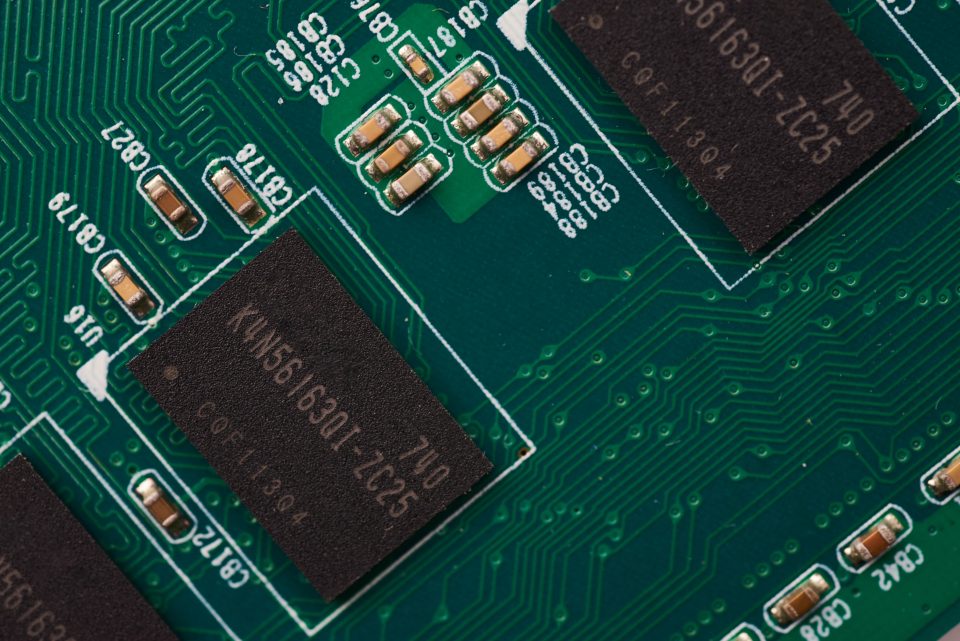
Researchers at TU Berlin found that on AMD-based PCs and some Intel PCs, someone who opens the case can reset the firmware TPM’s wrong-guess counter, and that makes short PINs guessable. A firmware TPM has no secure storage of its own, so it keeps its state, including the failure count, encrypted on the board’s flash chip. Copy that state, write the old copy back, and the count rolls back too.
The numbers are ugly. Worst case for a four-digit Windows Hello PIN drops from 69 days to 40 hours, and for a default six-digit BitLocker PIN from 19 years to 20 days. On a Framework Laptop 13 (Intel Core Ultra 5 125H, Winbond flash), they found the BitLocker PIN after 236 tries in 6 minutes 55 seconds. The researchers say PCs relying on Winbond RPMC flash are open whatever the CPU, and only a new chip design fixes that. AMD confirmed the firmware flaw on its side and plans fixes for most affected chips between now and February 2027.
Until then, do what the researchers say: add at least two digits to your Hello and BitLocker PINs. Longer is cheap. Physical access still matters, so keep an eye on your laptop when you travel.
God Bless, and Needs Garlic!